All marriages eventually end. Some end in the death of one partner; the rest end in divorce. The marriage contract may be signed by both the parties either before getting married (commonly known as “prenup”) or after getting married. Most couples in honeymoon phase find it embarrassing or even daunting to bring up the topic...Read More
Case conference is essentially the parties’ first direct encounter with the court in a family proceeding. After the completion of the pleadings, either party can ask for a case conference. Both parties attending the case conference shall serve and file a case conference brief. The case conference can be conducted by a judge or the...Read More
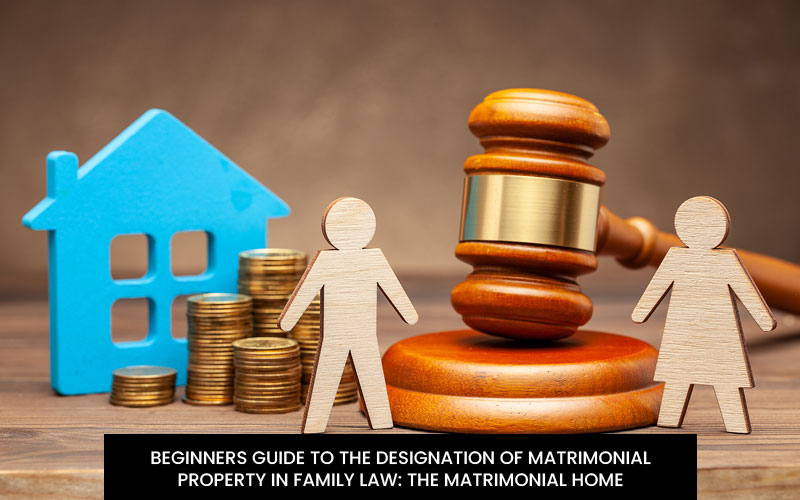
At the time of separation and/or divorce between married spouses, amongst the most significant and pressing concerns is the division of matrimonial property. The foremost of these concerns is perhaps, the most important asset owned by many Canadians, the family home. Other concern may be the splitting of any other matrimonial assets, the Canada and/or...Read More
Divorce in Canada can be defined as the legal termination of a marriage, which allows for either one of the former spouses to remarry if they so wish. Thus, in order to file for a divorce in Canada the spouses must be legally married and must establish the grounds for divorce. As straightforward as it...Read More
Being accused of a crime is a frightening prospect. When you imagine a “criminal sentence” the first thing to come to mind is probable a prison sentence. The best option if you are charged with a crime is an acquittal or to have the charges withdrawn. However, even if you are found guilty, there are...Read More
It is common in the rental listings to explicitly mention that pets are not permitted in the unit. Some prospective tenants are faced with the heartbreaking choice of getting rid of their pets for securing housing for their family. Some landlords, by contrast are wary that a pet in their unit could destroy their valuables...Read More
The foremost consideration by the court in determining the custody of the child(ren) in any given situation, whether divorce, intervention of child or family services or concerned family and community members, is the ‘best interest of a child’. This includes the safety of the children, the fulfillment of their physical, nutritional, and mental needs, appropriate...Read More
The Licensing Appeals Tribunal (LAT) has two divisions. The General Division deals with various issues such as license suspensions, consumer compensation claims, etc. The other division is called the Automobile Accident Benefit Service (AABS). The AABS mandates to resolve the dispute about the insured person’s entitlement to statutory motor vehicle accident benefit. More specifically, it...Read More
The Mandatory Mediation Program (MMP) was designed to assist parties involved in civil litigation and estates matters in settling their cases prior to trial phase and thereby help the parties in saving their time and money. The MMP program started in 1994 in Toronto and Ottawa for most (non-family) civil cases, and further in 2002...Read More
The Controlled Drugs and Substances Act (CDSA) is the legislation on most drug related offences in Canada that regulates the activities pertaining to these drugs. Such activities may include, but are not limited to, possession, import, export, assembly, distribution, sale, transport, and exchange of Controlled substances and various precursors that may be utilized to manufacture...Read More